
 Cart is empty
The Psychology Behind Slot Machines
Slot machines are meticulously designed to engage players on multiple psychological levels. The anticipation that builds with each spin creates a thrilling experience; players feel a rush of excitement as they await the outcome. This suspense triggers the brain’s reward center, releasing dopamine, a chemical associated with pleasure and reward, whether they win or lose, and many enjoy trying their luck at pokies online nz to enhance their gaming experience. Over time, this leads to players developing a strong emotional connection to the experience, making them increasingly likely to return for more.
Additionally, slot machines exploit various cognitive biases that enhance their addictive nature. For instance, the “near-miss effect”—where players come close to achieving a win—can lead to increased motivation to keep playing. Even when losing, the sensation of almost winning fuels hope and encourages players to spin again, believing that the next turn might be the one that yields a huge payout. This psychological manipulation makes it difficult for players to walk away.
Moreover, the colorful graphics, engaging sounds, and immersive themes of slot machines create an inviting atmosphere that further captivates players. The combination of these sensory elements leads to what is known as “flow,” a state of complete immersion in the experience. This phenomenon can draw players in for extended periods, significantly increasing their likelihood of continued play. The design of slot machines is intentionally crafted to cultivate this environment, making them compelling and often hard to resist.
The Role of Variable Rewards
One of the key elements that contribute to the addictive nature of slot machines is the use of variable rewards. Unlike games that provide consistent results, slot machines offer a system where players never know when they might hit a jackpot. This unpredictability creates excitement and intrigue, leading players to gamble repeatedly in search of that elusive big win. Behavioral scientists suggest that this type of reward system is especially potent in maintaining engagement, as it taps into our natural desire for risk and adventure.
Many slot machines implement a mechanism known as “intermittent reinforcement,” where players are rewarded at random intervals. This strategy keeps players engaged longer as they are continually enticed by the possibility of winning. The excitement of potentially receiving a payout heightens the overall experience, creating a cycle of anticipation that compels players to keep spending. This randomness mimics the dynamics of gambling, increasing the thrill and, consequently, the addiction potential.
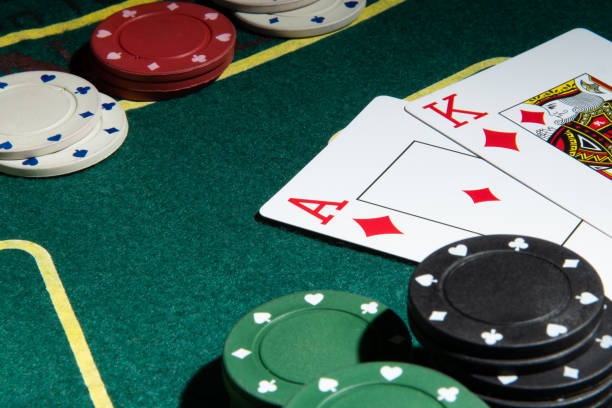
This concept is further amplified by the presence of progressive jackpots that accumulate over time, offering immense rewards that entice players to return regularly. The notion that players might change their fortunes in a single spin is incredibly appealing. As these jackpots grow, they create an environment of urgency and excitement that encourages players to gamble more frequently in hopes of landing that life-changing win.
The Social Aspect of Slot Machines
While many view slot machines as solitary activities, the social aspect of playing in a casino can significantly enhance their addictive nature. Many casinos design their gaming floors to foster a sense of community among players. The sounds of coins clinking, cheers from wins, and the overall ambiance create an exhilarating environment. Players often feel pressured, either consciously or subconsciously, to continue playing due to the social dynamics at play, influencing their gambling behavior.
Furthermore, the evolution of technology has transformed the way people interact with slots. With the rise of online casinos, community features such as leaderboards and chat functions allow players to connect and compete against others. This connectivity can make playing slot machines more enticing, as players seek validation and enjoy a shared experience, often leading them to spend more time and money on the games.
The combination of social interactions, competition, and the unconditional support of fellow players creates a powerful incentive to continue playing. The fear of missing out, often referred to as FOMO, can compel players to engage more frequently. This social dynamic blended with the thrill of the game amplifies the overall allure of slot machines, making them even more addictive in both traditional and online settings.
The Impact of Technology and Design
Modern slot machines have undergone significant transformations due to advancements in technology and design. The integration of high-quality graphics, touchscreen interfaces, and immersive sound effects enhances the gaming experience and keeps players engaged. Quirky themes and storylines provide variety and freshness, allowing players to find machines that resonate with their interests, further heightening their desire to play.
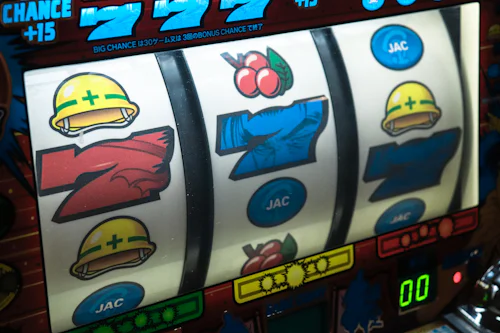
Additionally, many machines incorporate gamification elements, allowing players to unlock achievements, bonuses, and additional game features. These incentives create a layer of competition and encourage players to spend more time on the machines, breeding a sense of loyalty and commitment to particular games. As players achieve milestones or level up within the game, they experience a sense of accomplishment that can lead to continued play.
The substantial marketing efforts focused on promoting these games also cannot be overlooked. Promotions, bonuses, and loyalty rewards designed to draw players in are prevalent across many casinos, both physical and online. This constant effort to innovate and create engaging experiences serves to captivate players’ attention, making it difficult for them to resist the allure of slot machines. The combination of these elements creates an addictive experience that many find hard to resist.
Understanding the Allure of Slot Machines
Understanding what makes slot machines addictive is crucial for both players and gaming establishments. The psychology behind the gameplay, the role of variable rewards, and the social dynamics at play contribute to an experience that is both thrilling and potentially overwhelming. Players must remain aware of their behavior and the risks associated with gambling to mitigate the chances of addiction.
As technology continues to evolve, slot machines will likely become even more engaging and immersive, further enhancing their appeal. With an understanding of the intricacies involved, players can make informed choices about their gambling habits. It is essential to strike a balance between enjoying the excitement that slot machines offer and being mindful of the potential pitfalls associated with excessive gambling.
For those interested in exploring the world of gaming responsibly, it’s important to stay informed about the latest trends and practices. By being aware of how slot machines work and the factors contributing to their addictive nature, players can enjoy a healthier gambling environment. Empowering oneself with knowledge is the first step toward responsible gaming while still enjoying the excitement these thrilling machines provide.