
 Cart is empty
 The Thrill of Uncertainty
The psychology of casino gambling is deeply intertwined with the thrill of uncertainty. When players engage in gambling, they are often drawn to the unpredictability of the outcome. This element of chance can stimulate excitement and an adrenaline rush, which is a powerful motivator for many individuals. The randomness associated with games like slot machines or roulette creates a unique psychological experience that can make these activities incredibly alluring. For those interested in enhancing their gaming experience, sports betting promos can provide additional excitement and opportunities.

Furthermore, the prospect of winning big can elevate this experience to another level. The anticipation of hitting a jackpot or achieving a significant win can amplify emotional responses, thus creating a cycle of behavior where the thrill of uncertainty becomes a compelling reason to play. This connection between unpredictable outcomes and emotional arousal is a vital aspect of why people frequent casinos.
The Social Aspect of Gambling
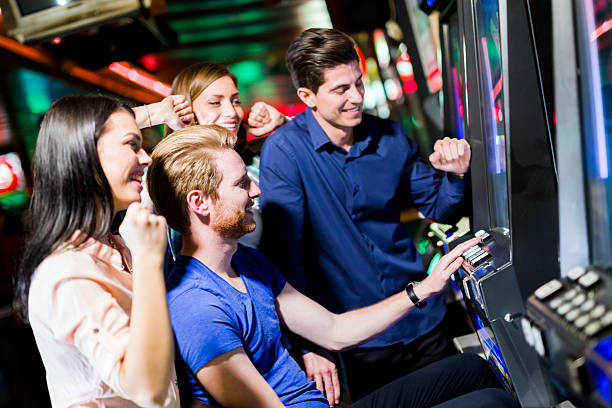
Gambling is often viewed not just as a solitary activity but as a social one. Many individuals enjoy the communal atmosphere found in casinos, where interacting with others can enhance the overall experience. Whether it’s sharing a table at a poker game or cheering on a fellow player at a slot machine, the social dynamics can provide a sense of belonging and camaraderie that reinforces the desire to gamble.
Additionally, social gambling can lead to peer pressure, where individuals feel compelled to participate in order to fit in. This social aspect of gambling taps into the human need for acceptance and connection, making it another layer of complexity behind the psychology of why we play. The interactive and engaging environment fosters relationships, which can make gambling an appealing pastime.
The Role of Cognitive Biases
Cognitive biases play a significant role in gambling behavior. Many gamblers fall prey to the illusion of control, where they believe they can influence outcomes through their actions. This mindset can lead players to engage more frequently in gambling, as they may feel empowered or skilled, despite the inherent randomness of casino games.
Another common cognitive bias is the gambler’s fallacy, the belief that past events can influence future outcomes in random games. For example, a player might think that a particular slot machine is “due” for a win after a series of losses. These biases create a distorted perception of reality that can perpetuate gambling behavior, driving individuals to play longer and more often than they might have planned.
The Emotional Escape
For many, gambling serves as an emotional escape from everyday life. People often seek out casinos to relieve stress, alleviate boredom, or escape from personal problems. The immersive environment and the excitement of gambling can provide a temporary distraction, leading individuals to seek refuge in this world of chance and excitement.
This escape factor is closely linked to mood regulation. Players may turn to gambling as a way to cope with negative emotions or to enhance feelings of happiness. Unfortunately, while this may offer short-term relief, it can also lead to problematic behaviors and addiction, emphasizing the importance of understanding the psychological motives behind why we gamble.
Understanding Our Engagement with Casinos
The psychological exploration of why we engage in casino gambling reveals deep-seated motivations, from the thrill of uncertainty to social interactions and emotional escapism. Each individual’s experience is unique, influenced by personal circumstances and psychological factors. Recognizing these motivations is essential for anyone looking to understand their gambling behaviors or those of others.
By acknowledging the underlying psychological elements at play, we can better navigate the complex world of casino gambling. This understanding can lead to more informed decisions, whether for ourselves or when discussing gambling habits with friends and family. The insights gained from the psychology of gambling can pave the way for a healthier relationship with this popular form of entertainment.