
 Cart is empty
 Cultural insights How different societies view gambling practices
Historical Perspectives on Gambling
Gambling has a long and varied history, dating back thousands of years across numerous cultures. In ancient China, games of chance were integral to social gatherings, often linked to festivities and ceremonies. Similarly, ancient civilizations such as the Greeks and Romans engaged in gambling, viewing it as a form of entertainment and a way to demonstrate skill. These historical practices set the stage for modern gambling, influencing contemporary perspectives on luck, chance, and risk. Online platforms like https://amunbet-uk.com/ showcase how this history continues to evolve.
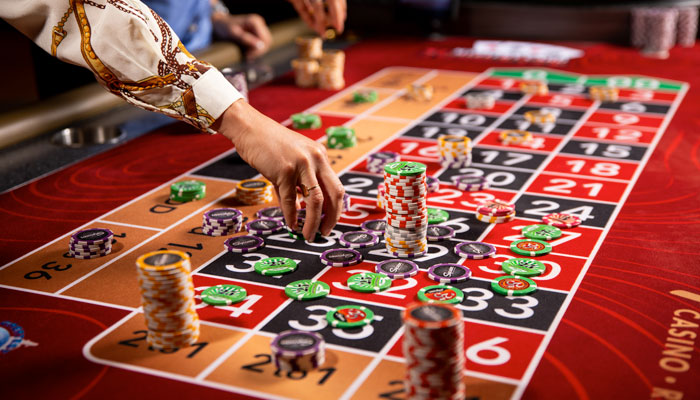
During the Middle Ages, gambling was often regulated by local authorities, reflecting societal concerns about morality and the impacts of chance on community stability. Certain games were embraced, while others were condemned. Over time, these societal attitudes shaped laws and regulations that either encouraged or restricted gambling activities, leading to the development of casinos and betting establishments that became emblematic of various cultures.
As the world entered the 20th century, gambling underwent significant transformations, especially with the advent of Las Vegas as a gambling capital. The juxtaposition of legality and morality became even more pronounced as governments began to recognize the economic benefits of legalized gambling. This change highlighted the dynamic relationship between societal views on gambling and its legal frameworks, shaping how different cultures engage with the practice today.
Regional Differences in Gambling Attitudes
In North America, gambling is often seen as a form of entertainment, widely accepted across various states. The emergence of Native American casinos has also played a role in shaping the gambling landscape, providing economic opportunities and cultural revitalization for many tribes. This acceptance is reflected in the growth of various forms of gambling, from sports betting to lottery games, indicating a broader societal embrace of chance-based activities.
Conversely, in several Asian cultures, gambling can be viewed through a lens of superstition and ritual. For instance, in countries like China and Japan, traditional games such as Mahjong and Pachinko are deeply embedded in social customs. They often carry both recreational and cultural significance, seen as a way to bond with family and friends rather than just a means of monetary gain. This highlights how cultural traditions can shape the perception of gambling as a communal activity.
Europe presents yet another diverse perspective, with countries like the United Kingdom viewing gambling as an acceptable pastime. The UK has a regulated gambling industry that promotes responsible gaming, showcasing the balance between enjoyment and caution. In contrast, some European nations still grapple with stringent regulations and public disapproval, reflecting historical and cultural concerns about gambling’s potential impacts on societal values and personal morality.
The Influence of Religion on Gambling Views
Religion significantly impacts how societies view gambling practices, with various faiths adopting distinct stances. In predominantly Muslim countries, gambling is often prohibited, viewed as haram or sinful. This religious belief influences societal norms, leading to strict laws against gambling and the promotion of alternative forms of entertainment. The cultural narrative surrounding gambling in these regions emphasizes the importance of faith and adherence to religious teachings.
On the other hand, Christianity offers a more nuanced perspective. While some denominations may view gambling as morally questionable, others acknowledge it as a form of entertainment that can be engaged with responsibly. This division within Christianity showcases the diverse interpretations of scripture and morality, illustrating how individual beliefs can shape societal attitudes toward gambling.
In contrast, Hinduism often views gambling as part of life’s myriad experiences, with festivals like Diwali incorporating games of chance as a means of celebration. This acceptance allows for a cultural integration of gambling within certain contexts, contrasting sharply with the prohibitive attitudes found in other religions. These examples demonstrate that religious beliefs play a crucial role in shaping how different societies engage with and perceive gambling activities.
Modern Gambling Practices and Their Cultural Implications
The rise of online gambling platforms has revolutionized how societies engage with gambling. In many Western countries, this shift has led to increased accessibility and convenience, allowing individuals to participate in gambling activities from the comfort of their homes. However, this convenience also raises concerns about addiction and responsible gaming, prompting discussions on how to regulate these digital spaces effectively.
In regions where gambling is culturally accepted, the online casino industry has flourished, offering a wide range of games and experiences. For example, platforms featuring live dealer games create an immersive environment that mirrors traditional casino experiences. This integration of technology into gambling practices reflects broader societal trends toward digitalization and changing entertainment preferences.
However, in cultures where gambling is less accepted, the online gambling phenomenon presents challenges. Legal frameworks struggle to keep up with technology, leading to gray areas regarding legality and enforcement. These discrepancies highlight the ongoing cultural debates surrounding gambling and its acceptance, prompting governments and societies to reassess their views and regulations in a rapidly evolving landscape.

Amunbet Casino’s Role in the Gambling Landscape
Amunbet Casino exemplifies the modern evolution of gambling, tailored specifically for players seeking an engaging online experience. With a diverse range of casino games, including slots, table games, and live dealer experiences, it reflects the growing demand for varied gaming options. The user-friendly navigation and quick registration process cater to an increasingly digital audience, emphasizing convenience and accessibility.
Moreover, Amunbet’s commitment to security and responsible gaming aligns with the emerging societal need for safe gambling environments. By providing reliable customer support and various payment options, Amunbet establishes itself as a trusted choice in the competitive online gambling market. This focus on player welfare is crucial, particularly in an era where awareness of gambling addiction and responsible practices is paramount.
As gambling continues to evolve, platforms like Amunbet will play a significant role in shaping player experiences and societal perceptions of gambling. By embracing innovation while prioritizing player safety and satisfaction, Amunbet Casino contributes to the ongoing dialogue about gambling practices and their cultural implications in today’s society.
Leave A Comment