
 Cart is empty
The allure of risk and reward
The psychology behind gambling often hinges on the thrill of the risk versus the potential reward. Humans are inherently drawn to activities that involve uncertainty and the possibility of gaining something valuable. Casinos capitalize on this by creating environments filled with sensory stimuli designed to enhance excitement, such as bright lights and engaging sounds. This sensory overload amplifies emotional responses, making players feel more engaged and invested. For those seeking immediate gratification, options like neosurf casino instant withdrawal australia can significantly enhance the gaming experience. As a result, many individuals find themselves drawn into games where the stakes are high, seeking that exhilarating rush associated with the chance of winning big.
Additionally, the concept of loss aversion plays a significant role in gambling behavior. Research shows that individuals are generally more motivated by the fear of losing than by the possibility of gaining an equivalent reward. This phenomenon can lead players to continue gambling, hoping to recoup losses rather than stopping while they are ahead. Casinos often structure games to leverage this psychological tendency, making it easy to get caught in a cycle of play, where the possibility of a favorable outcome keeps players returning, despite previous losses.
Lastly, the social environment of casinos contributes to their appeal. Many people enjoy the camaraderie that comes with interacting with others in gaming spaces, whether friends or strangers. The communal experience of cheering for a winning hand or collectively experiencing disappointment enhances the emotional stakes of the activity. This social aspect can make gambling feel less solitary and more like a shared adventure, increasing the likelihood that individuals will engage in these activities repeatedly and draw others into the experience.
The thrill of unpredictability
The unpredictable nature of gambling is another key psychological factor that draws players to casinos. Unlike many other forms of entertainment, gambling offers the chance to experience a range of outcomes in a short span of time. This unpredictability can create a heightened sense of anticipation, akin to the excitement found in high-stakes activities like extreme sports or adventure-seeking experiences. Each spin of a slot machine or turn of the cards introduces new possibilities, keeping the adrenaline flowing and players coming back for more.
Moreover, the psychological phenomenon known as “intermittent reinforcement” plays a vital role in gambling. This principle suggests that unpredictable rewards can produce stronger behavioral responses than consistent rewards. When gamblers occasionally win, even if the wins are small, it reinforces their desire to continue playing, sustaining hope for larger victories. As a result, casinos frequently emphasize these intermittent rewards, as they can significantly influence players’ behavior and their willingness to remain engaged for prolonged periods.

Furthermore, gamblers often engage in cognitive biases that skew their perception of the odds. One such bias is the gambler’s fallacy, where individuals believe that past outcomes will influence future ones, leading them to make illogical betting decisions. This fallacy can create a false sense of control over the outcome of games, making players believe they can influence results based on previous experiences. Such misconceptions can deepen players’ engagement in gambling, prolonging their time spent in casinos and their emotional investment in the games.
The role of myths and superstition
Myths and superstitions are deeply ingrained in gambling culture, impacting player behavior and decision-making processes. Many gamblers have personal rituals or beliefs that they adhere to, convinced that these behaviors will influence their luck. For instance, some might believe that wearing a certain color, carrying a specific talisman, or following a particular routine can enhance their chances of winning. These behaviors provide comfort and a sense of control in an inherently unpredictable environment, making the experience more gratifying and personally meaningful.
The psychological impact of superstition is compounded by the environment in which gambling takes place. Many casinos intentionally cultivate a magical atmosphere, using design elements and physical layouts that create an illusion of luck being a tangible force. This environment can reinforce the belief that luck is not purely random but can be influenced by the player’s actions. Consequently, gamblers may feel empowered to continue their play, buoyed by hope and the allure of potential success fueled by their rituals.
Moreover, the proliferation of gambling stories—tales of individuals who struck it rich on a single bet—further feed into the mythology surrounding gambling. These narratives create an aspirational quality, encouraging players to envision themselves as the next big winner. Such stories enhance the emotional thrill of gambling, fostering a culture where individuals are compelled to participate in hopes of creating their own legendary narratives. These factors come together to form a compelling psychological framework that keeps individuals returning to casinos.
The impact of community and social identity
The community aspect of gambling can significantly influence motivations for play. Many individuals are drawn to casinos not just for the gambling itself but for the social interactions that accompany the experience. Sharing victories and defeats with friends or fellow gamblers can create a sense of belonging and fellowship. This social component often serves as a powerful motivator, encouraging individuals to visit casinos more frequently and partake in group activities, from poker nights to themed events, which enhance the overall entertainment value.
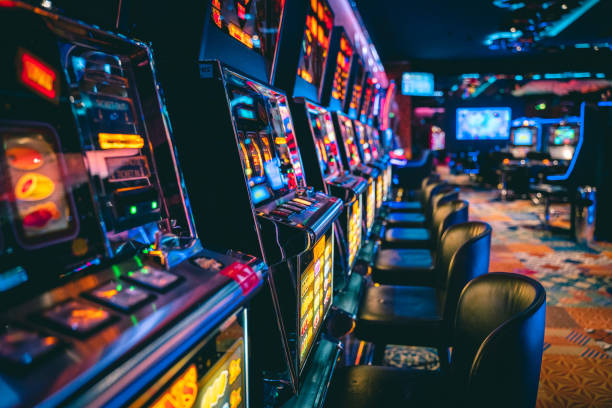
In addition, gambling environments allow participants to forge new social identities. For some, being a gambler becomes part of how they see themselves, leading them to seek validation and recognition within that community. The camaraderie found in gambling circles can act as an emotional support system, with players bonding over shared experiences. This social reinforcement can be a compelling reason to continue gambling, as it helps foster connections that are both enjoyable and meaningful, contributing to a sense of purpose and identity.
Moreover, potential participation in group events or tournaments can amplify the excitement of gambling. Competitive elements interwoven with social camaraderie not only stimulate the thrill of the gamble but also enhance interpersonal relationships. The communal nature of these events often cultivates a supportive atmosphere where players can share strategies and celebrate successes together. Thus, bonding over gambling reinforces the psychological pull of casinos, prompting players to return time and time again.
Understanding gambling behavior
Understanding the psychology behind gambling is crucial for those who wish to delve into its complexities. Players are often unaware of the motivations driving their behavior, leading to cycles of gaming that can veer into problem gambling. It is essential to recognize how emotions, perceptions, and social dynamics play significant roles in driving individuals to casinos and influencing their experiences. For those studying behavioral patterns, the integration of psychological concepts into gambling research can provide valuable insights into player motivations and the broader effects of gambling on society.
Addressing gambling behavior can lead to healthier relationships with gaming and support responsible gambling practices. Educating players about cognitive biases, the impact of superstition, and the allure of social identity can empower individuals to make informed choices. By fostering awareness, players can better navigate their experiences at casinos and mitigate the risks associated with gambling. As the industry evolves, public discourse concerning responsible gambling continues to gain importance, emphasizing the need for ongoing research and education.
The multifaceted nature of gambling, combined with its psychological underpinnings, creates a rich landscape for exploration. Understanding why individuals are drawn to casinos can aid in developing frameworks for responsible gaming, allowing players to enjoy the excitement of gambling without succumbing to its pitfalls. As communities and organizations work together to promote healthier gambling habits, the collective understanding of these psychological factors can lead to more enjoyable, controlled, and responsible gaming experiences for all.