
 Cart is empty
 Understanding Player Mindset in Casino Environments
The allure of the casino is deeply rooted in human psychology, playing on desires for excitement, fortune, and social interaction. Understanding the mindset of a casino player is key to grasping why certain games are popular and how players approach risk. This involves recognizing the thrill of potential reward, the emotional rollercoaster of wins and losses, and the influence of the casino’s atmosphere on decision-making. For many, the casino is not just about the games; it’s an escape, a form of entertainment where anticipation and the possibility of a life-changing win create a potent cocktail of emotions.
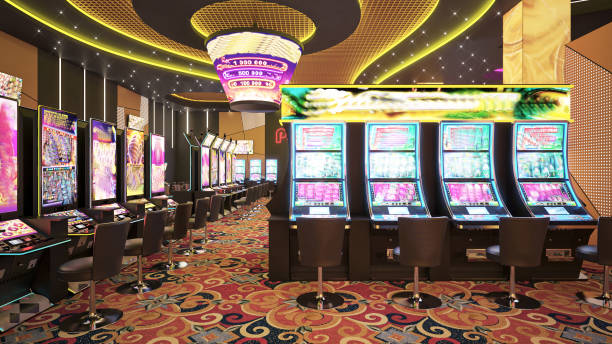
Players often exhibit a range of psychological biases that can affect their gameplay. Confirmation bias, for instance, might lead a player to focus on past wins while downplaying losses. The gambler’s fallacy, the mistaken belief that past independent events influence future ones, can also lead to poor strategic choices. Recognizing these cognitive tendencies is crucial for both players seeking to maintain control and for operators aiming to provide a responsible gaming environment. The very design of casino games, from the flashing lights to the sound effects, is engineered to enhance engagement and maintain this psychological grip.
The Psychology of Risk and Reward in Gaming
At its core, casino gaming is a study in risk and reward. The fundamental appeal lies in the potential for a significant payout relative to the stake invested. This dynamic triggers reward pathways in the brain, making the experience intrinsically motivating. Variable ratio reinforcement schedules, where rewards are unpredictable, are particularly effective at sustaining engagement. This is why slot machines, with their random outcomes, are so popular; the uncertainty of when the next win will occur keeps players spinning the reels in hope.
The perception of risk is also highly subjective and can be manipulated. Casinos often use framing techniques to make bets appear more appealing. For example, focusing on the potential jackpot rather than the odds of hitting it can distort a player’s assessment of risk. Furthermore, the social aspect of casinos can influence risk-taking behavior. Seeing others win, or participating in games with friends, can embolden individuals to take greater chances than they might otherwise. This interplay between individual psychology and the social environment is a powerful driver of casino engagement.
Leveraging Cognitive Biases for Advantage
While true “hacks” are largely mythical in the context of casino games of chance, understanding cognitive biases can offer a player a psychological edge. For instance, recognizing one’s own susceptibility to the gambler’s fallacy allows for more rational decision-making. Instead of chasing losses or believing a streak is “due” to end, a player can stick to a predetermined strategy or limit. Similarly, being aware of the anchoring bias, where a player might fixate on the initial bet size or a previous win, can help in setting more realistic expectations and managing bankroll effectively.
Another cognitive bias to consider is the illusion of control, where players might believe their actions can influence the outcome of games of pure chance. This might manifest as specific rituals or superstitions. While these actions may not alter the game’s outcome, understanding their psychological function for the player can be beneficial. For those who enjoy the strategic element, games like poker or blackjack offer opportunities to leverage skill and knowledge to overcome the house edge, but even here, psychological factors play a significant role in outmaneuvering opponents.
Strategies for Responsible and Informed Play
While the idea of “hacks” to guarantee wins is a fallacy, responsible players can employ strategies to enhance their experience and manage their finances. Setting a strict budget before entering a casino or starting an online gaming session is paramount. This includes deciding in advance the maximum amount one is willing to lose and, importantly, when to walk away with any winnings. Treating casino visits as entertainment rather than a way to make money is a crucial mindset shift.
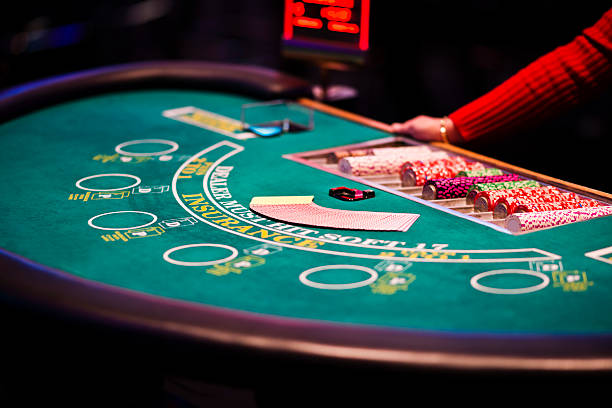
Educating oneself about the rules and odds of the games played is another vital strategy. Understanding which games offer better player-friendly odds and which have a steeper house edge can inform choices. For instance, games like blackjack, when played with optimal strategy, offer a lower house edge compared to many slot machines. Many online platforms provide resources and guides to help players understand game mechanics and develop sound playing habits. Seeking out reputable platforms like Tropicanza UK, which often emphasize responsible gambling, can also be a sensible approach.
Tropicanza UK: Navigating the Casino Landscape Responsibly
Tropicanza UK aims to provide a comprehensive and engaging casino experience, emphasizing responsible gaming practices. Understanding the psychological aspects of casino entertainment is central to their approach, encouraging players to engage with games in a healthy and informed manner. They offer a variety of games, each designed to capture the excitement of the casino floor while being mindful of the potential for players to fall prey to common cognitive biases.
By presenting clear information about game rules, odds, and the nature of chance, Tropicanza UK empowers its users to make informed decisions. Their platform is designed to foster an environment where entertainment and responsible play go hand in hand. Visitors to Tropicanza UK can expect a user-friendly interface that guides them through their gaming options, with resources available to support those who wish to manage their play effectively and maintain control over their gaming habits, ensuring the thrill of the casino remains a positive experience.