
 Cart is empty
 Understanding psychological triggers in gambling behavior
The Nature of Gambling and Its Psychological Appeal
Gambling is more than just a game of chance; it taps into deep-seated psychological triggers that can significantly influence behavior. Many individuals are drawn to the thrill of the gamble, which often creates a rush of adrenaline. This sensation can activate the brain’s reward system, releasing dopamine and reinforcing the desire to continue gambling. Platforms that showcase top online casinos nz allow players to explore these thrills while understanding the underlying psychological dynamics.
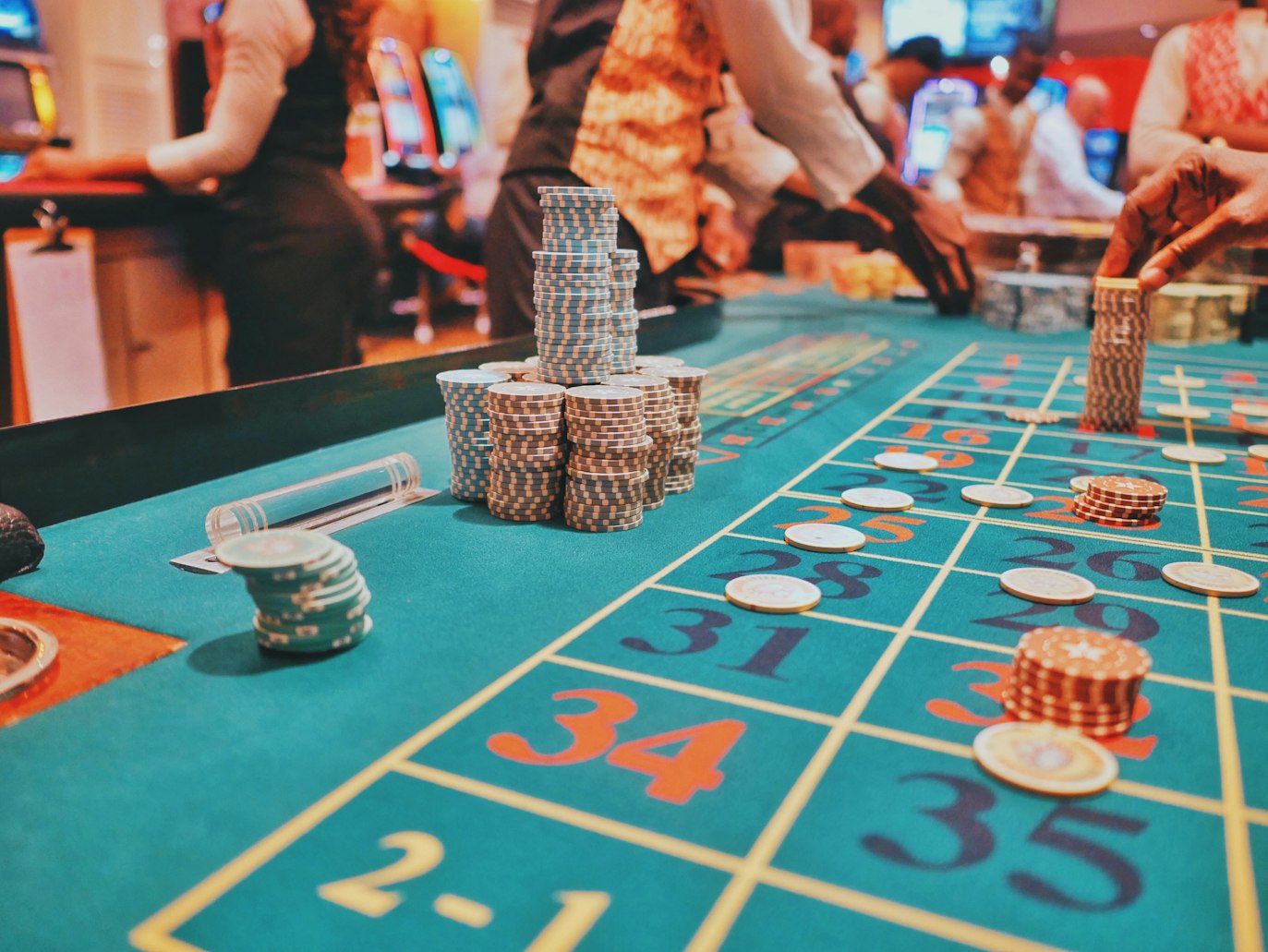
The sense of control plays a significant role in gambling behavior. Gamblers often believe they possess an ability to predict outcomes, even when the odds are entirely against them. This illusion of control can lead to increased participation in gambling, as individuals mistakenly think that their choices can alter results. When players believe they have a say in the outcome, they are more likely to engage repeatedly, despite potential losses.
Additionally, the social aspect of gambling cannot be overlooked. Many gambling environments, whether online or in physical casinos, are designed to foster social interaction. The presence of other players can enhance the experience, leading to a sense of camaraderie. This social reinforcement not only intensifies the enjoyment but can also amplify the urge to gamble, making it a communal activity rather than just an individual pursuit.
Common Psychological Triggers in Gambling
Among the most notable psychological triggers in gambling are cognitive biases and misconceptions. One such bias is the gambler’s fallacy, where individuals mistakenly believe that past outcomes affect future probabilities. For example, if a player has experienced several losses in a row, they may assume a win is due. This flawed reasoning can perpetuate ongoing gambling behavior, as it instills hope that fortune will soon change.
Another significant trigger is the concept of “near misses.” When players come close to winning, they often feel a rush of excitement, interpreting it as a sign that a victory is imminent. These near misses can produce emotional highs similar to winning, making individuals more likely to continue gambling in hopes of eventually hitting the jackpot. This misleading reinforcement can lead to a dangerous cycle of gambling behavior.
Emotional states also play a critical role in gambling decisions. Many individuals turn to gambling as a coping mechanism during times of stress or anxiety. The temporary escape provided by gambling can feel rewarding, reinforcing the behavior during challenging periods. Unfortunately, this reliance on gambling as a means to manage emotions can lead to detrimental patterns and potentially, gambling addiction.
The Role of Environment in Gambling Behavior
The environment in which gambling takes place can heavily influence psychological triggers. Online casinos, for instance, are designed with bright colors, enticing sounds, and instant rewards to create an immersive experience that keeps players engaged. These stimuli can heighten excitement and make it challenging for individuals to step away, resulting in prolonged gambling sessions.
Moreover, physical casinos also utilize environmental cues strategically. The placement of machines, the layout of gaming tables, and even the scents and sounds are meticulously crafted to enhance the gambling atmosphere. This careful orchestration can lead to sensory overload, making it difficult for gamblers to remain rational about their actions, often causing them to gamble more than they initially intended.
Additionally, social settings within gambling environments can further escalate involvement. Players often seek validation and excitement from their peers, and the ambiance can breed a sense of competition. This can lead to increased betting and risky behavior, as individuals strive to keep up with others around them. The collective enthusiasm can obscure personal limits, resulting in irrational gambling behaviors.
The Psychological Pathway to Gambling Addiction
The road to gambling addiction is often paved with seemingly benign triggers that escalate over time. Initially, gambling may begin as a casual activity, where the thrill and occasional wins provide excitement and joy. However, as these psychological triggers manifest, they can morph into compulsive behavior. The distinction between enjoyment and addiction can blur, leading individuals to chase losses rather than experience genuine entertainment.
As gambling behavior escalates, the psychological impacts become more pronounced. Individuals may experience increased anxiety and depression, particularly if losses mount. This can create a vicious cycle where the individual gambles more to cope with these negative emotions, perpetuating the addiction. It’s essential to recognize these patterns early to address gambling issues before they spiral out of control.
Intervention methods often focus on addressing these psychological triggers to help individuals regain control. Cognitive-behavioral therapy (CBT) has shown promise in treating gambling addiction by helping individuals understand and modify their thought patterns. Through therapy, gamblers can learn to challenge cognitive distortions and establish healthier coping mechanisms, ultimately fostering a better relationship with gambling.

Empowering Responsible Gambling through Awareness
Understanding the psychological triggers in gambling behavior is vital for promoting responsible gambling practices. By raising awareness of cognitive biases, emotional states, and environmental factors, individuals can make more informed choices. Education can serve as a powerful tool to help gamblers recognize when their behavior is becoming problematic, enabling them to seek help when needed.
Moreover, platforms that prioritize safe gambling environments can make a significant difference in players’ experiences. By offering resources for education, self-exclusion options, and support networks, these platforms can empower users to gamble responsibly. Players should be encouraged to set limits, take breaks, and reflect on their gambling habits regularly to maintain a healthy approach.
Our website is committed to guiding users through their online gambling experiences, providing insights and resources to promote informed decision-making. With comprehensive reviews of casinos, generous bonuses, and secure payment methods, we strive to create a safe space for players. Our focus on user-friendly navigation ensures that you can enjoy your gaming experience while being equipped to manage your gambling behavior effectively.
Leave A Comment